- “Why does sex hurt?”
- “Why can’t my body relax during penetration?”
- “Is something wrong with me?”
You are not alone.
One of the most common – but rarely spoken about – causes of painful penetration is a condition called vaginismus. Unfortunately, many women suffer in silence for months or even years before discovering that support exists and recovery is possible . Let’s talk about what vaginismus is, why it happens, and how vaginismus therapy in South Africa can help women reclaim comfort, confidence, and intimacy.What Is Vaginismus?
Vaginismus is a body-based response where the muscles surrounding the vaginal opening tighten involuntarily when penetration is attempted. This can happen with:- Sexual intercourse
- Tampon insertion
- Gynaecological examinations
- Even the anticipation of penetration
- Burning or sharp pain
- A “wall” preventing penetration
- Tightness or spasming muscles
- Panic or fear when penetration is attempted
Why Does Vaginismus Happen?
Vaginismus is not just a physical issue, and it is not a sign that something is “wrong” with you as a person. It usually involves a combination of body, mind, and emotional responses.Common contributing factors include:
Anxiety Around Penetration Sometimes the body learns to associate penetration with pain or fear, causing muscles to tighten automatically. Previous Painful Experiences A painful first sexual experience, medical procedure, or untreated infection can condition the body to expect pain. Trauma or Negative Sexual Experiences Past sexual trauma, coercion, or emotional distress can create protective tension in the body. Cultural or Religious Messaging Growing up with messages that sex is shameful or dangerous can sometimes lead to unconscious tension and fear. Relationship Stress Emotional tension, pressure to perform, or lack of communication in relationships can also contribute. Many women experiencing vaginismus say something like: “My mind wants intimacy, but my body just won’t cooperate.” That disconnect can feel incredibly frustrating – and isolating.The Emotional Impact Women Often Don’t Talk About
Beyond the physical discomfort, vaginismus can deeply affect a woman’s emotional well-being. Many women report feeling:- Embarrassed or ashamed
- “Broken” or abnormal
- Guilty toward their partner
- Avoidant of intimacy or relationships
- Anxious about gynaecological visits
Signs You May Be Experiencing Vaginismus
Many women live with vaginismus for months or even years before discovering what it is. Because the condition is rarely discussed openly, it can be difficult to know whether the pain or discomfort you are experiencing is normal or something that can be treated. While only a qualified professional can make a proper assessment, the following signs are commonly associated with vaginismus.Penetration Feels Painful or Impossible
One of the most common signs is experiencing pain during attempted penetration. Some women describe a burning or sharp sensation, while others feel as if there is a “block” preventing penetration. In some cases, penetration may feel physically impossible, even when there is desire for intimacy.Difficulty Inserting Tampons
For many women, the first sign of vaginismus appears when trying to insert a tampon. If tampon insertion causes pain, intense discomfort, or feels impossible, it may indicate that the pelvic floor muscles are tightening involuntarily.Anxiety or Fear Around Penetration
Some women begin to feel anxious or tense when anticipating penetration. This can happen even when they want intimacy or trust their partner. The body may respond automatically by tightening the muscles around the vaginal opening.Pain During Gynaecological Examinations
Routine medical exams, such as pap smears, may feel extremely uncomfortable or impossible if the pelvic muscles tighten involuntarily.Muscle Tightening That You Cannot Control
The most important characteristic of vaginismus is that the muscle tightening happens involuntarily. It is not something a woman consciously chooses or can simply “relax” away.If These Signs Sound Familiar
If you recognise some of these experiences, it does not mean there is something wrong with you. It may simply mean your body has developed a protective response that can be gently retrained with the right support. Many women find relief through specialised vaginismus therapy in South Africa, which focuses on understanding the body’s response, reducing anxiety around penetration, and gradually helping the pelvic muscles relax. Seeking support can be the first step toward restoring comfort, confidence, and a healthier relationship with your body.How Vaginismus Therapy Can Help
The good news is that with the right support, most women recover fully from vaginismus. Specialised vaginismus therapy in South Africa focuses on addressing both the physical tension in the body and the psychological factors that contribute to the condition.Therapy may include:
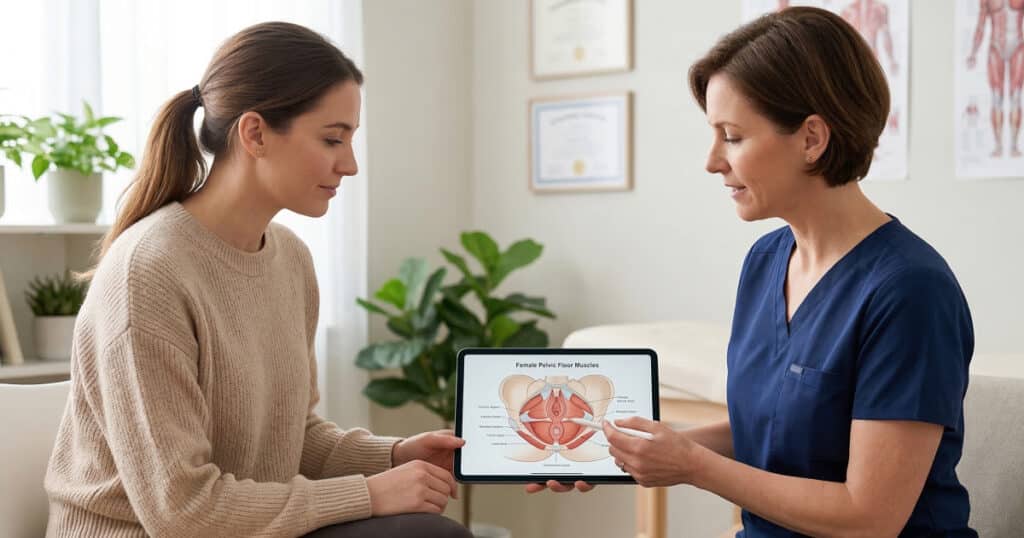
Psychoeducation Understanding what is happening in your body often brings enormous relief. Learning that the reaction is a protective reflex – not a personal failure – can immediately reduce anxiety. Gradual Body Awareness Gentle exercises help women reconnect with their bodies in a safe and controlled way. Relaxation and Nervous System Regulation Techniques that calm the body’s stress response can reduce muscle tension and fear around penetration. Pelvic Muscle Awareness Learning how the pelvic floor muscles function – and how to relax them – can be a powerful step toward recovery. Addressing Emotional Factors If fear, shame, trauma, or relationship concerns play a role, therapy provides a safe space to work through these aspects at your own pace. Partner Involvement (When Appropriate) When partners understand the condition, it often removes pressure and strengthens emotional connection. Therapy is always approached gently and at your own pace. Nothing is ever forced or rushed. Recovery is usually a gradual process, but many women begin noticing progress surprisingly quickly once the right guidance is in place.Why So Few Women Find Help
One reason many women struggle alone is that reliable information about vaginismus therapy in South Africa is surprisingly scarce. Many people search online and find:- International articles that don’t explain local therapy options
- Confusing medical information
- Forums filled with distressing stories
When Should You Seek Help?
If you experience any of the following, it may be worth speaking to a professional:- Pain during attempted penetration
- Inability to have penetrative sex
- Severe discomfort inserting tampons
- Anxiety about gynaecological exams
- Tightness or spasms during sexual activity
You Are Not Broken
Perhaps the most important thing to know is this: Your body is not working against you. It is trying to protect you. With the right understanding and support, the body can learn new responses, release tension, and rebuild trust with intimacy. Many women who once believed sex would always be painful go on to experience comfortable, fulfilling intimacy.Finding Vaginismus Therapy in South Africa: Getting the Right Support
If you are looking for vaginismus therapy in South Africa, working with a trained sexologist or therapist experienced in sexual health can provide the guidance and support needed to move forward. A safe, respectful space to talk about your experiences can be the first step toward healing. You deserve a relationship with your body that feels safe, relaxed, and empowering – not painful or frightening. If you would like to learn more about vaginismus therapy in South Africa, or speak confidentially about what you are experiencing, you are welcome to reach out for a private consultation. If any of the experiences described in this article feel familiar, you are not alone, and support is available. This article is intended for educational purposes only. Individual experiences may vary, and professional consultation is recommended for personal concerns.Frequently Asked Questions About Vaginismus
Is vaginismus common?
Yes. Many women experience vaginismus at some point in their lives, although it is often underreported due to embarrassment or lack of awareness.Can vaginismus be cured?
Yes. With appropriate therapy and support, most women recover fully and are able to experience comfortable penetration.Is vaginismus psychological or physical?
It is usually a combination of both. The pelvic muscles tighten physically, but this is often linked to anxiety, past experiences, or nervous system responses.Can vaginismus happen even if I want sex?
Yes. Many women experiencing vaginismus desire intimacy and connection, but their body responds with involuntary muscle tightening.Where can I find vaginismus therapy in South Africa near me?
Working with a trained therapist or sexologist who understands sexual health can provide the guidance and support needed for recovery. If you would like to explore vaginismus therapy in South Africa , you can learn more about available sessions here.Related reading: If vaginismus and sexual pain resonate, explore sex therapy in South Africa with Leanne, or learn about trauma counselling for the deeper nervous system work.